By David Smith, M.Sc., SDL (He/Him)
Humans, regardless of gender identity, are designed to move. It is within our very nature as a species to be active and express ourselves through movement. When you look at the vast number of ways that humans have developed different ways to move, you’ll realize that physical activity is as diverse as human society itself. Yet, our society is as sedentary as it has ever been, and we are facing an epidemic of health consequences as a result.
The obesity epidemic is merely scratching the surface, there are numerous physical, mental, and social health consequences that individuals, communities, and societies face as a result of sedentary lifestyles. Since the Covid-19 pandemic there has been an increase in mental health issues, such as depression, anxiety, trauma-based disorders, and others. With so much prejudice and discrimination within our society, gender diverse communities are particularly at risk for issues affecting mental, physical, and social health. Furthermore, just navigating one’s own identity and finding where they fit within the greater society of it all can be especially challenging.
In the world of exercise and sport, there is no shortage of misinformation, especially as it pertains to its relationship with gender diverse communities. There is a lot of ignorance toward the participation of gender diverse communities in sport and exercise settings, making a lot of these spaces inaccessible. Whether it’s by design or merely a consequence of a society rooted within the gender binary, it makes it difficult for trans, nonbinary, and intersex people to find basic access to the physical, mental, and social benefits of sport and exercise.
So why is it so important that we continue to fight for the inclusion and active participation of gender diverse communities in sport and exercise spaces? Looking beyond the basic benefits that increased levels of physical activity can offer, it also serves to help gender diverse communities to affirm and reaffirm their own identities.
Regular Exercise Helps Regulate Body Chemistry and Mitigate Side Effects of Gender Affirming Hormone Therapy (GAHT).
Gender Affirming Hormone Therapy is an important component of the transition process but there are side effects that can adversely affect physical and mental health.
Mental: As GAHT sometimes is considered as “second puberty” with it comes psychophysiological changes, including a surge of emotions, mood swings, and unfamiliar feelings. It’s easy to feel out of control. Consistent exercise helps to mitigate the severity of these psychophysiological changes, making it easier for you to cope with and regulate.
Recommendation: If and when you are feeling any strong emotions or sudden mood changes, take a short (5-10 minute) fitness break. Choose a favorite exercise or two that you can do anywhere followed by a self-check afterwards.
Physical: GAHT changes body composition, that is bone, muscle, and fat density in various ways depending on your unique characteristics and the type of hormones you are using. While these changes often align with the gender identity reflective of the hormones you are using, increases in fat and strong decreases in muscle and bone density can have adverse health effects. Regular exercise helps to maintain bone and muscle density while reducing fat accumulation.
Recommendation: Regular cardiovascular exercise (at least 30 minutes) and strength training combined every 2-4 days/week are very effective in maintaining and improving muscle and bone density while utilizing fat as a prime energy source.
Regular Exercise Helps Reshape the Body to Align Better with Individual Gender Identity.
Gender Affirming Hormone Therapy works as a physiological transition of your body, including redistribution of fat stores, changes in overall size and shape, and changes in physical performance. As GAHT is meant to help reshape the body to align with your own gender identity, taking on a more “masculine” or “feminine” shape; regular exercise can further the process.
Physical: As mentioned above, GATH changes body composition in various ways that are more reflective of the masculine/feminine type bodies associated with the type of hormones used. Masculine bodies tend to have higher muscle mass and muscular strength whereas feminine bodies have smaller but more toned muscles and are more flexible
Recommendation:
- Trans men and people looking for a more masculine appearance: strength training for hypertrophy to develop muscle mass and strength.
- Trans women and people looking for a more feminine appearance: strength training for endurance to maintain muscle tone and density, mobility and flexibility training such as stretching, yoga, and Pilates.
Mental: One’s own body shape and appearance is an important reflective component of gender identity. When body shape is out of alignment with gender identity, it can lead to body dysmorphia. Body dysmorphia is a mental health condition in which one sees flaws within their own physical appearance that leads to negative feelings and a diminished sense of self. Leading to low self-esteem, anxiety, lack of confidence, depression, etc. Regular exercise is helpful in reshaping one’s own physical appearance to align with their gender identity, mitigating the mental health effects of body dysmophoria.
Recommendation: Consistent exercise, especially when coupled with GAHT helps to reshape the body to better align with one’s own gender identity. This serves to improve individual self-perception, self-esteem, confidence, sense of self.
Caution: People affected by body dysmorphia are at an increased risk of developing exercise addiction and eating disorders that have adverse health consequences. Be sure to practice regular check ins with yourself, doctor, and mental health professional.
Exercise and Sport Enhances Social Support.
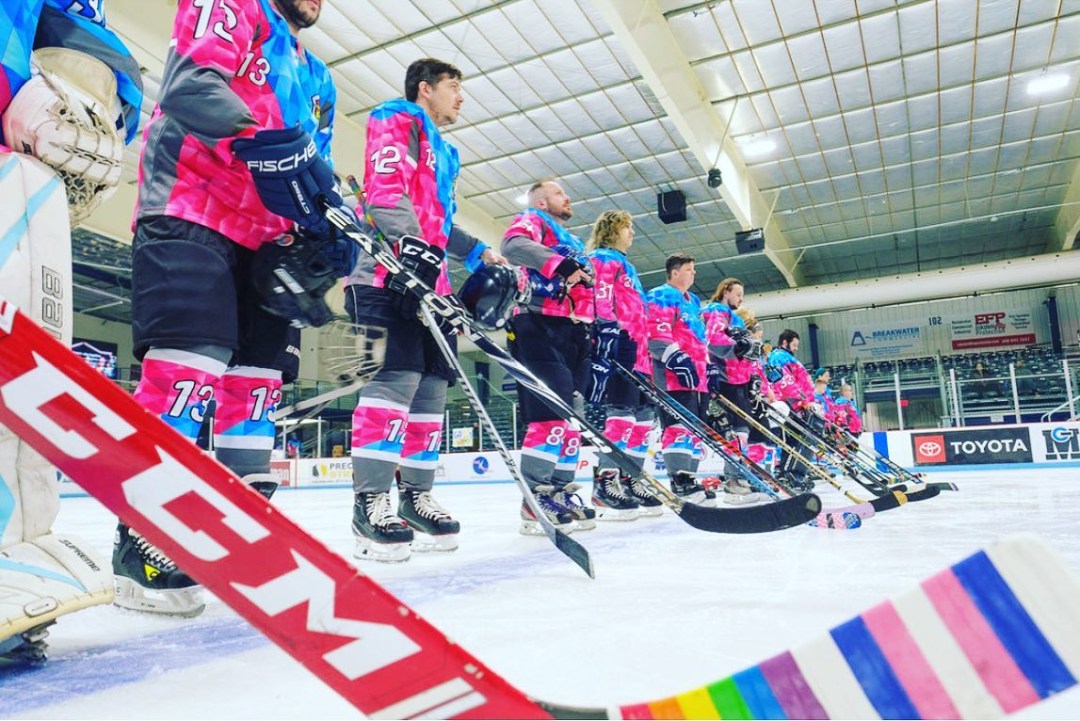
The LGBTQ+ sports community is growing every day, including an ever-increasing number of trans, nonbinary, and intersex specific sport and exercise teams/groups/organizations popping up all over the world. Organizations like Kicking Out Transphobia (Philadelphia and Seattle), Los Dogos (Argentina), La Gardenias (Mexico City), Team Trans Ice Hockey, and others are all part of a growing movement of the gender diverse communities that are taking action to build safe and inclusive sport spaces. This is important in building the accessibility in sport and exercise so that gender diverse peoples can benefit from all that it has to offer.
Physical: Joining a sport team that trains and plays regularly helps improve overall physical conditioning, including cardiovascular health, strength, mobility, stability, and more.
Mental: Consistent regular exercise helps to improve mental health while connecting with others improves relatedness and support, build social connections, mitigate anxiety and depression, prevent feelings of loneliness and isolation. Furthermore, it helps develop confidence, resilience, self esteem, and strength.
Social: Joining a team or group helps enhance social support, connectedness, and feelings of purpose and belonging. Connecting with other gender diverse peoples through a common interest helps, reaffirm your sense of self, advances education and awareness for issues and causes directly affecting gender diverse communities.
Recommendation: Research local LGBTQ+ sports groups and clubs in your area to see if any are already established. They are very welcoming of new and novice members, often times no experience is required to join, they will show you the ropes. If you can’t find a group, create a group! It’s as simple as finding a few friends to come together regularly to do sport and exercise together. The best way we can achieve progress and change is by having the courage to pursue it.

 stonewallperformance.com