
By David Smith, M.Sc., CSCS., SDL (He/Him)
Applied sport psychology is facing quite the identity crisis. On one hand, it struggles with the perception and stereotype that an athlete only sees a sport psychologist to “fix” a problem they have. Any and every sport psychology practitioner will tell you that applied sport psych is much more than fixing problems but can serve to help enhance performance and wellbeing. Yet, for all that, sport psychology practitioners approach the profession from the same stereotype, with focus on seeing “clients” primarily on a one-on-one basis in an office and away from the field. They call this “mental performance coaching” because it really is about coaching the mental aspects of performance, right?
… right?
As much as sport psychology practitioners try to distance themselves away from the clinical stereotypes, all too often they take a clinical approach to their work. It’s a superficial and reductionist approach to athletic development that persists on the beliefs that you can take the athlete out of the game and “fix” their issue via Psychological Skills Training, and then put them back in and they’re all better. It’s no wonder why the stereotypes persist.
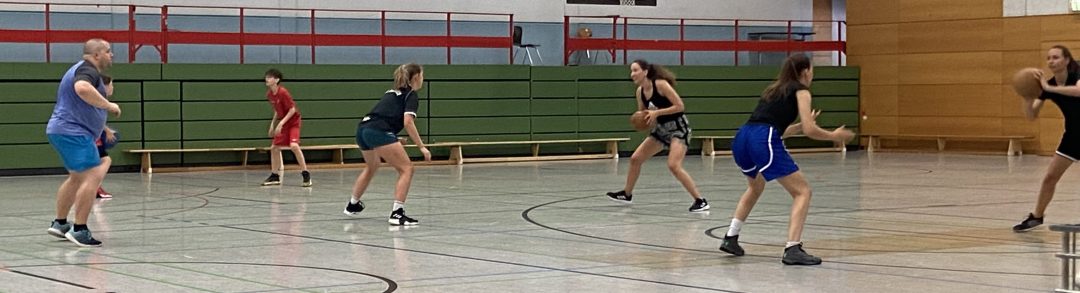
The real work in sport psychology goes much further, and much deeper than most sport psychology practitioners and mental performance coaches are prepared for. That is, to step outside the clinic and put yourself on the field (or pitch, arena, floor, deck, track) side by side as an equal member of the coaching staff. That is, you are actively on the field coaching the athletes on the same level as every other member of the coaching team, with your focus on mental performance.
The four pillars of athletic development: technical, tactical, physical, and mental conditioning are developed within similar reductionist tendencies. Sport coaches focus primarily on the technical and tactical while strength and conditioning coaches focus on the physical, so where do athletes develop the mental conditioning? It’s an afterthought, with some guidance offered by the coaches. Yet, performance is defined by both how those pillars are trained and how they interact with each other. For example, consider a dual situation between a defender and attacker in soccer; it requires dribbling skills, deceptive strategies, aerobic and anaerobic endurance, as well as mental focus, fortitude, and confidence.
Having the Mental Performance Coach on the field working with the athletes alongside the rest coaching staff allows coaches, athletes, and teams to function more effectively. This allows for MPCs to…
- Establish direct rapport and an immediate line of contact between the MPC and athletes as well as coaches.
- Observe direct interactions between the athletes and between the athletes and coaches. Immediately intervene in conflict management if/when necessary.
- Gauge and influence the motivational climate of the group.
- Be sensitive to changes of behavior or attitudes within individual athletes and coaches, make an immediate intervention if necessary.
- Train psychological skills directly within the sport settings themselves as relevant and relative to the needs of the athletes and situation.
- Conduct a recurring “group therapy” type reflective feedback and goal setting mental skills session with the team to foster collective communication, team-based goal setting and vision planning, conflict management, and team-based psychological skills development.
- Conduct individual and team exercises that incorporate physical, tactical, and technical development focused on the mental conditioning and cognitive development.
- Ability to conduct one on one sessions with athletes who indicate the need for it, especially in regard to mental health and wellbeing.
As a member of the coaching staff, the mental performance coach is able to work within the relative dynamics of the team itself coupled with the environment and the situational context. Helping the athletes to develop well above and beyond sport skills to become high level performers.
This is the approach that I (David) have taken, combining my work as a S&C coach with Mental Performance Coaching, especially my work with the soccer teams in Germany as well as my students at SUNY Oneonta. Through this I have seen positive results in athlete (and student)…
- Engagement.
- Intrinsic motivation.
- Mental health & wellbeing.
- High level performance.
- Mental conditioning
- Physical conditioning
- Tactical conditioning
- Technical conditioning.
It’s a dynamic, fun, and adaptable approach to athletic development. One that gets the MPC out of the office and out onto the field. Which, for me, is where all the fun is at!

 stonewallperformance.com